
Older cats • Benefits beyond the age cutoff

Compare insurance offers for an older cat

An age-friendly quote can still omit a benefit you need. Compare the actual offer through a screening visit, a new illness and ongoing follow-up.

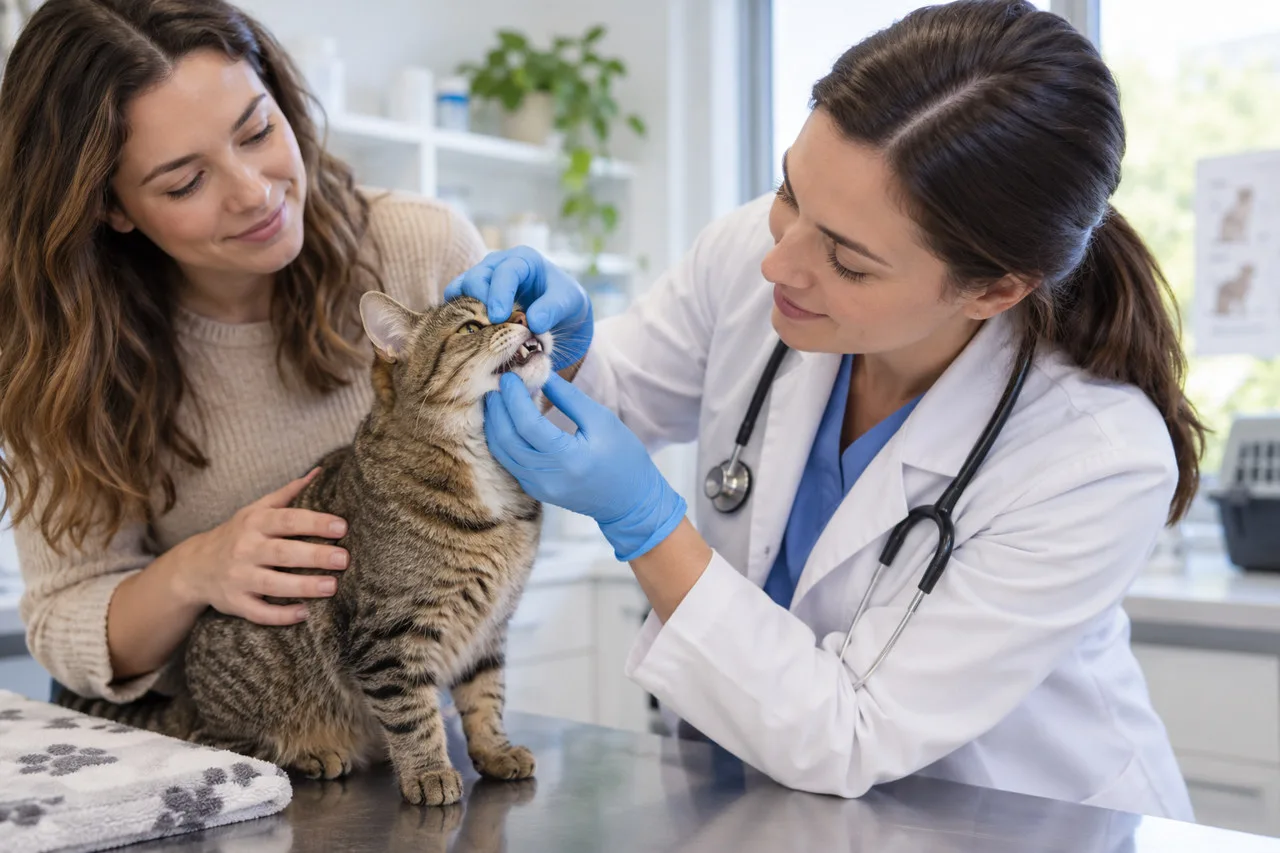
Veterinarian examining a cat while its owner stays beside it
✓ Policy-first ✓ Independent ✓ Useful checks
Direct answer
Compare pet insurance for older cats by first confirming the offered plan type at the cat’s age, then matching benefits to the care you want insured. Pets Best advertises no upper enrollment-age limit, while Embrace describes accident-only enrollment for pets aged fifteen or older. Neither fact alone settles medical-history exclusions, examination charges, screening benefits or the cost of continuing care.
Compare

Compare the plan returned, not the age headline

Use the same accurate age, residence and medical history in each application. Save the plan name and coverage type returned. If one company offers accident-and-illness insurance and another offers accident-only insurance, do not put their prices in the same column as equivalent protection.

Verified starting point What it establishes Next comparison question
Pets Best cat materials: no upper enrollment-age limit Age alone is not advertised as an upper cutoff What plan is offered for this cat’s history and which benefits are included?
Embrace FAQ: new pets aged fifteen or older may receive accident-only coverage The type of new coverage changes at the stated threshold Does accident-only meet the reason you wanted insurance?

These are narrow product examples, not a market-wide ranking. An established policy’s renewal is a different question from first-time enrollment. Do not discard existing protection simply because a new company’s age headline looks more welcoming.
What to know

Put the same test in two different contexts

Tabby cat resting beside a person on a sofa
Read screening, illness and follow-up benefits as separate questions.

An older cat’s routine screening bloodwork and bloodwork ordered to investigate a new symptom can raise different insurance questions. Cornell explains that veterinarians may recommend examinations and testing as cats age. The clinical recommendation does not identify which policy benefit, if any, pays.

For planned screening in an otherwise well cat, read the routine-care schedule and its testing allowance. For investigation of a symptom, read the accident-and-illness terms, the medical-history decision and any diagnostic exclusions. Do not relabel the reason for care to fit a benefit.

Ask the practice to itemize the examination and tests. If a routine visit discovers a concern, preserve the original notes with later records. A future insurer can consider earlier signs, even when the final diagnosis comes later. Care should follow the veterinarian’s advice rather than the insurance calendar.

What to know

Use a care-path matrix rather than a star score

Part of care Evidence to compare Question left open
Examination or consultation Benefit list and optional exam coverage Is the veterinarian’s fee included or just the tests and treatment?
Medication for an eligible illness Prescription wording and chosen options Are ongoing prescriptions within the benefit or a separate selection?
Repeat testing and referral Covered-condition rules, deductible basis and limits Which costs remain yours when care spans visits or renewal?
Routine monitoring without symptoms Preventive schedule, visit counts and test allowances Does the option pay for the specific planned services?

Do not award points for a benefit until the actual offer shows it. Embrace’s FAQ, for example, says examination fees and prescription coverage are not necessarily included on every plan. Similar headline coverage can therefore yield different retained costs.

Leave a blank or “not established” where a document is unclear. That is more honest than converting a broad phrase such as comprehensive into a yes for every line.

Coverage

Resolve a close choice using the missing benefit

Suppose two fictional offers accept the same older cat for accident-and-illness protection at otherwise comparable settings. One expressly includes medical examinations; the other does not establish that benefit. The next action is to price or clarify the missing examination option, not to declare the second offer cheaper for the same protection.

If a benefit cannot be added, estimate that retained expense using the practice’s own fee information and a clearly labeled care scenario. Do not assume how many visits the cat will need. If the comparison changes when one uncertain benefit is removed, make that uncertainty part of the decision.

For a cat already being treated, start from what the present contract actually covers. A replacement quote with a higher limit may still be less useful if the continuing condition becomes excluded. Preserve the old documents while seeking an explanation.

Decision guide

Choose the offer you can explain in ordinary words

A useful conclusion identifies the cat’s enrollment eligibility, the plan type, the treatment it is meant to protect, the charges you still fund and the uncertainty that remains. Keep routine-care convenience separate from protection against a new large medical bill.

Ask about renewal pricing and any rules for changing benefits later. An insurer’s willingness to renew with age does not freeze the premium or guarantee an upgrade. If a current offer has a meaningful gap, resolve it now rather than assuming it can always be repaired after a diagnosis.

Evidence

Sources and policy context

These public references support the consumer or veterinary context. Named insurer details were checked in official product materials; the policy offered for your pet and state determines the actual terms.

Next step

Compare Current Pet Insurance Rates

Check current options for your pet and location, then compare the policy details, exclusions, costs, and eligibility before choosing.

Compare the policy before you choose Check the actual offer, exclusions and out-of-pocket terms.
See Rate Options